What menswear and streetwear buyers should know about fabric weight, cost, and fit before sampling
In private-label menswear and streetwear manufacturing, no single specification dictates the hand-feel, silhouette, and retail price point of a hoodie more than its fabric weight—measured in grams per square meter (GSM).
When international buyers submit tech packs to custom manufacturers, the most frequent point of debate is whether to build on 280–320 GSM midweight fleece, step up to 380–420 GSM heavyweight French terry, or commit to 450–500+ GSM ultra-heavyweight luxury fleece.
While emerging streetwear labels often assume that “heavier is always better,” fabric weight is a commercial and structural trade-off. A 500 GSM hoodie creates an unmistakable boxy drape and premium heft, but it also increases fabric consumption costs, freight charges, and dry times. Conversely, a 280 GSM hoodie offers breathability and layering versatility for spring drops, but may lack the architectural structure required for high-end streetwear.
Bayeeclothing manufactures custom hoodies across the full 280 to 500+ GSM spectrum, starting from 30 pieces per program with sample development in 3–5 days. This guide breaks down what changes across 280, 400, and 500 GSM so brand founders and sourcing managers can choose the exact weight their collection requires.
The short answer: 280 vs 400 vs 500 GSM at a glance
| Metric / Feature | 280–320 GSM (Midweight) | 380–420 GSM (Heavyweight) | 480–520 GSM (Ultra-Heavyweight) |
| Primary silhouette | Fluid drape, athletic, clean lines | Structured, boxy, holds shoulder shape | Rigid architectural drape, oversized drop-shoulder |
| Best season / climate | Spring / Autumn, cool summer nights, gym layering | Autumn / Winter, year-round temperate climates | Deep winter, standalone cold-weather outerwear |
| Standard fabric knit | 100% Cotton Fleece or Poly/Cotton (80/20) | 100% Combed Cotton French Terry or Heavy Fleece | 100% Ring-Spun Cotton Ultra-Heavy Terry / Fleece |
| Target retail tier | 75 | 140 | 240+ (Luxury Streetwear) |
| Hood stability | Requires double-layer self-fabric to stand | Naturally stands upright without drooping | Rigid, structured double-layered standing hood |
| Embroidery suitability | Ideal for flat embroidery; limit heavy 3D density | Excellent for 3D puff embroidery and applique | Perfect anchor for high-density 3D, chenille & heavy patches |
| Freight & shipping impact | ~0.55–0.65 kg per garment (Lower shipping cost) | ~0.80–0.95 kg per garment (Standard freight) | ~1.10–1.35 kg per garment (Significantly higher freight) |
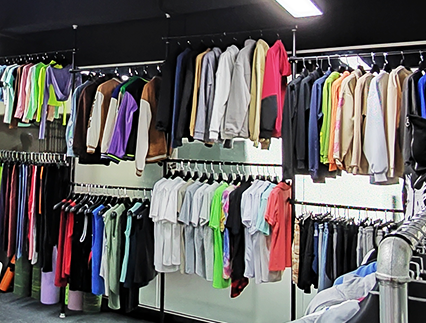
1. 280–320 GSM: The versatile midweight standard
What it is
280–320 GSM is the commercial benchmark for lifestyle apparel, activewear, sportswear sets, and trans-seasonal casual drops. It provides warmth without excessive bulk.
Advantages
Lower unit manufacturing cost:
- ● Less raw yarn weight per garment directly lowers FOB cost.
Lower international freight:
- ● At ~600g per hoodie, volumetric and air/sea freight costs are 40% lower than a 500 GSM piece.
Layering versatility:
- ● Fits easily under trench coats, denim jackets, or varsity outerwear without restricting movement.
Comfort & drape:
- ● Fluid movement suitable for sports sets, jogger coordinates, and gym warmups.
- ● Lacks the rigid, stand-alone “boxy” profile demanded by luxury streetwear buyers.
- ● Single-layer hoods in 280 GSM will flop flat against the back. (Bayee solves this by using double-layered self-fabric hoods even at 280–320 GSM).
Drawbacks
2. 380–420 GSM: The contemporary streetwear benchmark
What it is 380–420 GSM is the current sweet spot for independent streetwear labels, boutique private labels, and premium DTC brands. It balances substantial hand-feel with all-day wearability.
Advantages
Premium hand-feel:
- ● Buyers immediately perceive the difference from mass-market promotional blanks.
Structured silhouette:
- ● Holds an oversized or boxy chest and dropped shoulder cut without collapsing.
Optimal canvas for decoration:
- ● Heavy enough to support high-density 3D embroidery, heavy chenille/towel patches, rhinestones, and thick puff print without fabric puckering.
Excellent wash stability:
- ● Takes acid washing, stonewashing, and vintage garment dyeing with minimal distortion.
- ● Slower line drying times for the end consumer.
- ● Requires higher initial yarn commitments if ordering custom mill-dyed colours outside stock inventory.
Drawbacks
3. 480–520+ GSM: The ultra-heavyweight luxury statement
What it is
480–520 GSM (often called “half-kilo fleece”) is designed for premium streetwear, luxury fashion houses, and limited capsule drops where heft is the primary selling proposition.
Advantages
Maximum perceived value:
- ● Garment weight alone justifies $150+ retail pricing.
Architectural shape:
- ● Hoods stand rigidly erect; body panels create an unmistakable sculpted silhouette.
Extreme warmth:
- ● Functions as standalone outerwear in dry winter conditions.
Durability:
- ● Built to withstand intense industrial wash treatments (heavy stonewash, enzyme wash, distressed grinding) while maintaining integrity.
-
Drawbacks
High shipping weight:
- ● A carton of 20 hoodies can exceed 25 kg, significantly impacting express air and DDP shipping budgets.
Pattern engineering demands:
- ● Heavy hoods can pull the neckline backward if the shoulder slope and neck pitch are not precisely balanced by experienced pattern makers.
How fabric composition changes the weight equation
GSM measures weight per area, but yarn composition determines how that weight performs:100% Combed Cotton (380–500 GSM):1. Delivers clean hand-feel, superior breathability, and premium matte finish. It absorbs pigment dyes, acid washes, and screen inks perfectly.Polyester / Cotton Blend (80/20 or 70/30):2. The polyester core adds tensile strength, reduces post-wash shrinkage, and speeds up factory drying cycles, while cotton face yarns preserve a soft touch.Spandex / Cotton Blends:3. Used primarily in side ribbing panels and cuffs to ensure retention after repeated stretching.GRS-Certified Recycled Blends:4. Recycled cotton and recycled poly options give eco-conscious brands verified compliance for EU and North American retail markets.
- How GSM impacts decoration and finishing techniques
- Different decoration methods interact directly with fabric density:
- Puff Print & Screen Printing:
- ● 280–420 GSM provides the smoothest face. On ultra-heavy 500 GSM looped French terry, ensure face yarn is tightly knit (32s or 40s yarn) to avoid texture showing through the print.
3D & Towel Embroidery:
- ● Heavy 400–500 GSM fleece provides an unyielding backing that prevents puckering around dense stitch areas.
Acid Wash & Stonewash:
- ● Heavyweight 400–500 GSM fleece handles aggressive stone and enzyme tumbling without seam fraying or premature thinning.
Rhinestones & Applique:
- ● Heavy fabric stabilizes heat-press applications, preventing adhesive burn-through.
Sourcing and pattern expertise at Bayeeclothing
A heavy fabric without proper pattern balancing leads to defective garments—specifically hoods that pull backward, choking the wearer’s neck, or dropped shoulders that collapse forward.At Bayeeclothing:
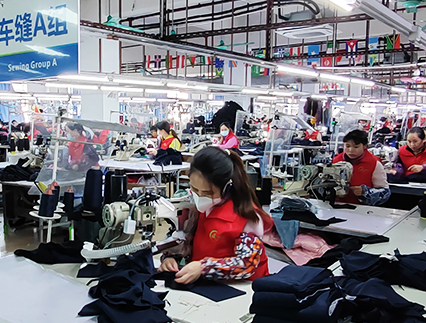
- ● Our pattern development team includes 7 senior pattern makers, each with over 20 years of experience, ensuring neckline balance and armhole drape are engineered specifically for your target GSM.
- ● We support custom hoodie programs from
30 pieces per style, allowing emerging brands to test 400 or 500 GSM heavyweights without committing to massive 500-piece mill minimums.
-
- ● Rapid sample development in3–5 daysvalidates fit, shrinkage, and decoration before bulk production across our7 production lines and 3 QC inspection lines
FAQ: Hoodie GSM questions buyers ask most
1. What does GSM stand for in hoodie manufacturing?
GSM stands for Grams per Square Meter. It is the metric measurement of fabric density and weight. A higher GSM indicates thicker, heavier yarn or tighter knitting density.
2. What is the best GSM for an oversized streetwear hoodie?
For modern streetwear, 380 to 420 GSM is the industry standard benchmark, offering the ideal balance of boxy structure, comfortable movement, and reasonable shipping cost. Brands aiming for an extreme luxury heavyweight profile typically choose 450 to 500 GSM.
3. What GSM is considered a “heavyweight” hoodie?
Any hoodie fabric weighing 380 GSM and above is classified as heavyweight. Fabrics between 280 and 350 GSM are considered midweight, while anything below 260 GSM is lightweight.
4. Does higher GSM mean higher fabric cost?
Yes. Fabric is purchased by weight. A 500 GSM hoodie requires nearly double the raw yarn weight of a 280 GSM hoodie, which increases both raw material costs and international shipping freight.
5. Will a 100% cotton 500 GSM hoodie shrink after washing?
All natural cotton knit fabrics have inherent shrinkage (typically 3–7%). At Bayee Apparel, we apply pre-shrinking and heat-setting wash processes during production to stabilize shrinkage within standard international tolerances (±3%).
-
6. Can I order a 400 GSM custom hoodie with a 30-piece MOQ?
Yes. Bayee Apparel supports custom hoodie manufacturing starting from 30 pieces, utilizing either in-stock premium heavyweight fabrics or custom cut-and-sew programs.
7. Which is better for hoodies: French Terry or Brushed Fleece?
French Terry features unbrushed loops on the inside, making it moisture-wicking, breathable, and suitable for 3-season wear. Brushed Fleece has a fuzzy, brushed interior that traps air for maximum thermal insulation in winter.
8. Does heavy puff print work on 280 GSM hoodies?
Yes, but large-area puff print can cause thin fabrics to curl or weigh down the chest. A 350–420 GSM fabric provides a more stable base for oversized puff graphics.
9. How long does it take to sample a custom GSM hoodie at Bayee?
Sample development takes 3–5 days once tech packs, size breakdowns, and decoration artwork are confirmed. Sample fees are quoted based on design complexity.
10. What sizes can you manufacture for heavyweight hoodies?
Bayee manufactures from S to 5XL as standard, with complete grading and custom measurements tailored to your target regional fit (US, EU, or Asian sizing).
-
Buyer checklist before approving a hoodie GSM spec
Before signing off on bulk fabric specifications, verify these 8 items:1. Target GSM tolerance (e.g., 400 GSM ± 15g).2. Fabric composition (e.g., 100% Cotton, 80/20 CVC, or GRS Recycled blend).3. Interior texture (Loop-back French Terry vs. Brushed Fleece).4. Hood construction (Single-layer vs. Double-layer self-fabric).5. Ribbing weight and stretch retention (Cuff and hem 2×2 cotton/spandex ribbing).6. Pre-shrunk and colourfastness testing standards.7. Decoration method compatibility with the selected fabric weight.8. Garment weight estimate for international shipping calculations.Ready to develop your custom hoodie? Send your tech pack, target GSM, size range, and decoration specs to Bayee Apparel for an exact quotation and 3–5 day sample schedule.
Post time: Sep-23-2026


