How vintage wash techniques affect fabric shrinkage, hand-feel, costs, and minimum order quantities
In custom menswear and streetwear development, vintage aesthetics—such as faded seams, marble textures, and broken-in hand-feels—continue to dominate high-end capsule collections. However, sourcing managers and brand founders frequently encounter unexpected sampling delays and production defects because different wash treatments interact unpredictably with fleece, terry, and ribbing.
The most common point of confusion during tech pack development is the difference between Garment Wash (standard softening/pre-shrinking), Stone Wash (abrasive surface weathering), and Acid Wash / Mineral Wash (chemical contrast marbling).
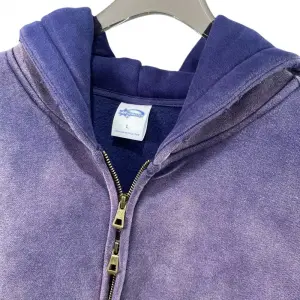
Each method demands distinct chemical processes, wash-drum capacities, pattern shrinkage allowances, and decoration sequences. Choosing the wrong wash technique can lead to blown-out seams, cracked screen prints, or unpredictable colour shading across a size run.
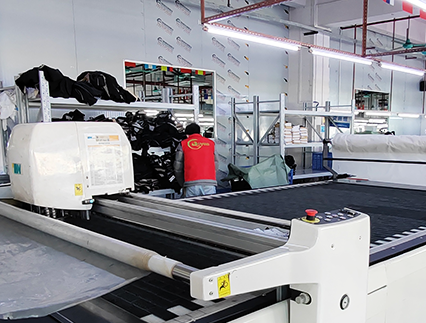
Bayeeclothing offers complete in-house vintage wash development—including acid wash, stonewash, tie-dye, and dip-dye—starting from 30 pieces per program with 3–5 day sample turnaround. This guide explains the technical, financial, and operational differences between these three core washes to help buyers specify the exact finish their collection demands.
1. Quick technical comparison: The three core wash methods
| Wash Technique | Process & Chemistry | Visual Effect | Hand-Feel | Primary Risk to Manage |
| Garment Wash (Standard / Bio-Polish) | Industrial enzyme and softener bath after sewing | Clean, uniform colour, minimal seam abrasion | Soft, supple, lint-free | Minor shrinkage if heat-setting is skipped |
| Stone Wash (Enzyme Pumice) | Tumbling with volcanic pumice stones and cellulase enzymes | Subtle fading along seams, pocket edges, and cuffs; natural vintage patina | Relaxed, vintage, broken-in drape | Excessive abrasion tearing thin fabrics or ribbing |
| Acid Wash (Mineral / Marble Wash) | Pumice stones soaked in oxidizing agents (chlorine/permanganate) tumbled dry | High-contrast marble texture, white/light streaks, bold 90s aesthetic | Ultra-soft, slightly dry hand-feel | Fibre degradation if neutralisation bath is inadequate |
2. Garment Wash: The foundational standard for clean menswear
How it works Garment washing involves washing assembled blank garments in hot water with silicone softeners, bio-enzymes, or anti-pilling agents. Unlike fabric-level washing, garment washing treats the completed silhouette.
Best used for
- ● Clean, contemporary streetwear, athletic apparel, and minimalist basics.
- ● Stabilizing dimensions (pre-shrinking) to keep shrinkage within commercial standards (typically under 3%).
- ● Removing industrial knitting oils and lint before packaging.

Key buyer advantage
Lowest additional unit cost and zero risk of uneven colour variation across production batches.
3. Stone Wash: The authentic vintage streetwear finish
How it works
Finished garments are placed in industrial wash drums loaded with natural or synthetic pumice stones and bio-enzymes. As the drum rotates, the abrasive stones physically abrade high-friction areas (hood seams, kangaroo pocket edges, wrist cuffs, and hems), while enzymes eat away surface cellulose fibres.
Best used for
- ● Heavyweight streetwear hoodies (380–500 GSM), distressed cargo pants, and vintage-washed heavy tees.
- ● Creating authentic high-low contrast along thick seams without bleaching out the base colour.
Technical considerations for buyers
Fabric weight requirement:
- ● Stone washing requires durable fabric. A lightweight 200 GSM jersey may develop holes at the seams; a sturdy 400 GSM 100% cotton fleece handles abrasive tumbling with ease.
Pattern adjustments:
- ● Stone washing induces both mechanical and thermal shrinkage (often 5% to 8%). Experienced pattern makers must grade the master pattern larger to compensate.
4. Acid Wash (Mineral Wash): The high-contrast statement look
How it works
Despite its name, modern acid washing rarely uses pure acid. Porous pumice stones are soaked in an oxidizing solution (such as sodium hypochlorite or potassium permanganate) and drained until damp. The dry garments are tumbled with these moist stones. The chemical bleaches only where the stones touch, producing random, high-contrast marbled patterns. The garments then undergo an extensive neutralisation and softening rinse.
Best used for
●90s retro capsules, bold streetwear drops, and statement oversized hoodies.
●Garments requiring dramatic visual depth where solid piece-dyeing looks too commercial.
Technical considerations for buyers
Uniqueness per piece:
●Because stone contact is random, no two garments are identical. Sourcing managers must set a visual acceptance range rather than expecting identical marbling.
Decoration order:
●Acid washing must be done
before
screen printing or embroidery, or specialized discharge/bleach-resistant inks must be used.
5. How wash techniques impact printing, embroidery, and hardware
| Decoration Method | Compatibility with Garment Wash | Compatibility with Stone Wash | Compatibility with Acid Wash |
| Screen Print (Plastisol) | Excellent; apply before or after wash | Apply after wash to prevent stone abrasion cracking | Apply after wash to prevent bleach discoloration |
| Puff Print | Apply after wash | Apply after wash; tumbling crushes puff foam | Apply after wash |
| 3D / Flat Embroidery | Fully compatible before or after | Compatible before wash; gives thread a vintage faded look | Test thread colourfastness against bleaching agents |
| Metal Zippers & Eyelets | Fully compatible | Stones can scratch metal plating; use antique brass or attach after | Chemicals can tarnish shiny nickel; use coated hardware |
6. Sourcing vintage wash apparel with Bayeeclothing
Executing high-level vintage washes on small production runs is notoriously difficult because standard commercial dye houses enforce 300–500 piece dye-vat minimums.
At Bayeeclothing: Low-MOQ Wash Development:
●We support custom acid wash, stonewash, mineral wash, tie-dye, and dip-dye programs starting from
30 pieces per style
Integrated Pattern Shrinkage Compensation:
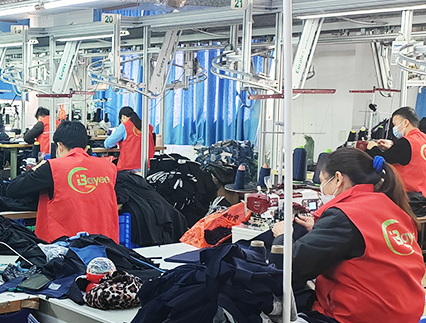
●Our team of 7 senior pattern designers (each with 20+ years of experience)
calculates pre-wash shrinkage allowances directly into your CAD patterns, ensuring the finished garment matches your final spec sheet.
Rapid 3–5 Day Sampling:
●Validate the wash depth, marbling contrast, and hand-feel on a physical proto-sample in
3 to 5 days
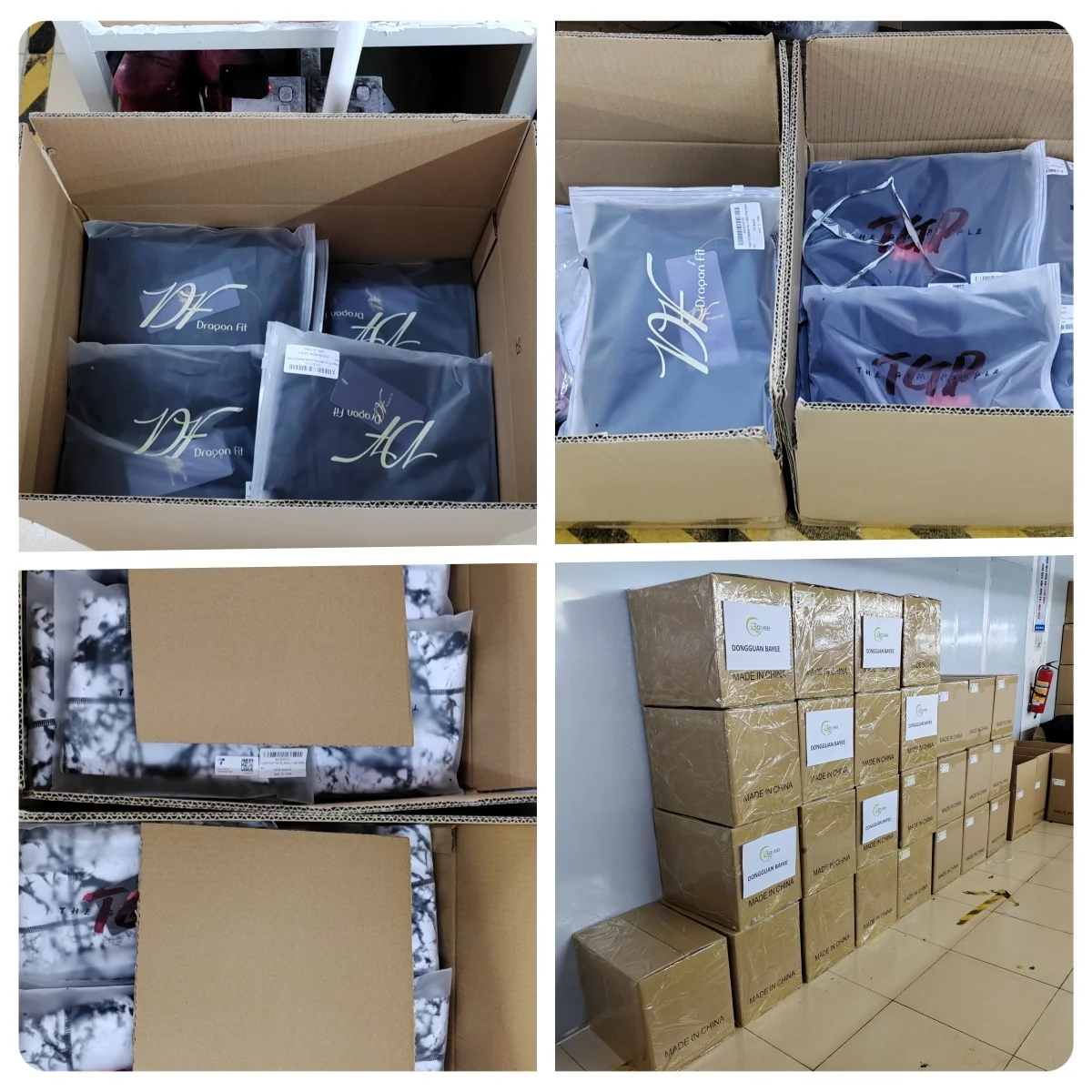
before approving bulk manufacturing across our 7 production lines and 3 QC inspection lines
FAQ: Vintage wash questions streetwear buyers ask most
1. What is the difference between acid wash and stone wash on a hoodie?
Stone wash uses abrasive pumice stones and enzymes to physically wear down seams and edges, creating a soft, naturally faded look. Acid wash uses chemical-soaked stones to bleach random marbled streaks across the garment, producing high-contrast 90s patterns.
2. Can I order custom acid wash hoodies in low minimum quantities?
Yes. While many dye houses require 300+ pieces, Bayeeclothing supports custom acid wash, stone wash, and vintage dye programs starting from 30 pieces.
3. Will stone washing make a hoodie shrink after the customer buys it?
Because stone washing involves intensive hot water washing and drying during manufacturing, the garment is already fully pre-shrunk. Residual post-purchase shrinkage is typically under 2–3%.
4. Should I print my graphics before or after the wash treatment?
For acid wash and heavy stone wash, graphics (especially puff print and plastisol) are usually applied after washing to prevent chemical bleaching or stone abrasion. If a distressed, cracked vintage print is desired, screen printing can be executed before stone washing.
5. What fabric composition works best for acid wash and stone wash?
100% cotton or high-cotton blends (such as 80% cotton / 20% polyester) produce the best results. Synthetic fibres like 100% polyester do not absorb wash chemicals or abrade in the same way as natural cotton yarns.
6. Why does acid wash cost more than standard garment wash?
Acid wash involves multiple manual and chemical steps: stone soaking, dry tumbling, neutralisation baths, enzyme washing, and extensive rinsing. This multi-stage process adds processing time and chemical costs.
7. Does stone washing damage hoodie drawstrings and metal eyelets?
Rough pumice stones can fray raw cotton drawstrings and scratch polished hardware. Professional manufacturers insert drawstrings after washing or use reinforced antique-finished metal trims.
8. What is the difference between Tie Dye and Dip Dye?
Tie-dye involves folding, twisting, or tying fabric before applying dye to create radial, spiral, or chaotic multi-colour patterns. Dip-dye (ombre) involves gradually submerging the garment into a dye bath to create a smooth, two-tone vertical gradient. Bayee offers both techniques.
9. How long does it take to sample an acid wash or stone wash hoodie?
At Bayeeclothing, sample turnaround is 3–5 days once tech pack details, base fabric weight, and target wash reference photos are confirmed.
10. Can I get S to 5XL sizing in vintage-washed menswear?
Yes. Bayee manufactures custom sizing from S to 5XL as standard, adjusting pattern grading to maintain consistent proportions across all sizes after the wash process.
Buyer checklist before approving a wash specification –Before approving your tech pack for vintage wash sampling, confirm these 7 points:
1. Target wash type clearly specified (Garment wash, Stone wash, Acid/Marble wash,
Enzyme wash).
2. Visual reference images provided for wash intensity (Light / Medium / Heavy vintage fade).
3. Base fabric composition confirmed (100% Cotton recommended for vintage washes).
4. Pattern graded with pre-wash shrinkage allowance.
5. Decoration sequence planned (Print/Embroidery before vs. after wash).
6. Hardware finish selected (Antique brass, gunmetal, or post-wash assembly).
7. Written acceptance tolerance for piece-to-piece colour variation.
Ready to develop your custom vintage wash collection? Send your tech pack, target wash photos, and size breakdown to Bayeeclothing for an exact quotation and 3–5 day sample turnaround.
Post time: Sep-24-2026


