The Vintage Streetwear Aesthetic: Why Brands Choose Pigment Dyeing Over Piece Dyeing
In contemporary streetwear, the signature look of a high-end vintage drop is defined by pronounced seam fading—the subtle high-contrast fading where stitching, collars, pocket welts, and hems appear lighter than the body fabric. This distinct washed-down, lived-in aesthetic cannot be achieved with standard reactive roll-dyed fabric; it requires Cold Pigment Garment Dyeing .
However, pigment dyeing presents notorious quality challenges for brands:“Why does pigment dye rub off on white car seats and undergarments (poor crocking fastness)?”
- How do you achieve an authentic chalky vintage wash without making the fabric feel stiff, crusty, or chalky?
- Why do different panels of the same hoodie absorb dye unevenly?
- This technical guide clarifies the micro-particle adhesion chemistry, acrylic binder polymerization, wash durability standards, and seam engineering of Pigment Dyeing, explaining how Bayeeclothing delivers retail-grade vintage apparel with a low 30-piece MOQ.
1. Dyeing Chemistry: Pigment Dyeing vs. Fiber-Reactive Dyeing
Understanding the fundamental difference in color fixation is crucial for apparel product developers:
+—————————————————————————–+
| PIGMENT DYEING VS. FIBER-REACTIVE DYEING MATRIX |
+—————————————————————————–+
| Specification | Cold Pigment Garment Dyeing | Standard Reactive Piece Dyeing|
+———————-+————————————-+——————————-+
| Fixation Chemistry | Insoluble color pigments adhered to | Soluble dye molecules form |
| | fiber surface via polymeric binders | covalent chemical bonds inside|
| Color Penetration | Surface-level physical coating only | Deep molecular fiber core |
| | (Fiber core remains white/undyed) | penetration |
| Fading Mechanism | Surface abrasion strips binder, | Permanent color, uniform wear |
| | revealing lighter white fiber cores | without seam contrast |
| Seam Contrast Look | Extreme “Highs & Lows” vintage fade | Flat, 100% uniform color tone |
| Hand Feel | Soft chalky texture after wash | Silky smooth, flat drape |
| Wet Crocking Fastness| Grade 3.0 – 4.0 (Needs binder cure) | Grade 4.5 (High wet fastness) |
| Best Garment Types | Heavy streetwear hoodies (400 GSM), | Clean corporate basics, luxury|
| | oversized tees, cargo shorts | athletic polos, swimwear |
+—————————————————————————–+
The “Highs & Lows” Principle :
Because pigment particles adhere only to the exterior surfaces of cotton fibers rather than penetrating into the core, mechanical friction during post-dye tumble washing abrades the raised seam ridges, pocket edges, and stitch lines faster than flat panels. This creates the coveted vintage high-contrast distress effect.
2. Solving Pigment Dye Defects: Color Rub-Off (Crocking) & Hand Stiffness
Bayeeclothing implements 4 proprietary chemical and textile finishing protocols:
1. Polyurethane-Acrylic Micro-Binder Polymerization
Cheap pigment dyeing uses low-grade binders that fail to lock pigment particles, causing heavy color transfer. Bayeeclothing employs water-based polyurethane-acrylic cross-linking binders. After dyeing, garments pass through a continuous hot-air tunnel at for 3 minutes, baking the binder into a flexible, durable micro-film that achieves Wet Crocking Fastness Rating of Grade 3.5+ and Dry Crocking Rating of Grade 4.0+ (AATCC 8 / ISO 105-X12).
2. Atmospheric Cold-Pad Dyeing for Chalky Softness
To avoid the stiff, rigid hand feel associated with heavy binders, our dye baths operate at room temperature () with micro-milled nano-pigments. Garments then receive a cationic silicone elastomer rinse, leaving the cotton feeling buttery-soft and breathable.
3. Heavy 100% Cotton Stitching Thread
If polyester thread is used to sew the garment, it will repel pigment dye, leaving glaring white or shiny synthetic thread lines. Bayeeclothing sews all ready-to-dye garments with high-tenacity 100% combed cotton threads, ensuring seams absorb dye at the identical rate as the body fabric.
4. Pre-Shrunk CAD Grading for Post-Dye Stability
All raw garments undergo wet heat processing. Our CAD department factors in +7% expansion in pattern sizing, guaranteeing that final washed garments match your spec sheets within .
3. Recommended Garment Weights for Pigment Dyeing
240–300 GSM Heavy Combed Cotton T-Shirts
- ● : Yields the ultimate faded vintage 90s streetwear drop look with soft rib collar highlights.
380–480 GSM Heavy French Terry & Fleece Hoodies
- ● : High structural density creates dramatic color contrasts along kangaroo pockets, hood seams, and ribbed cuffs.
300–350 GSM Cotton Canvas & Twill Shorts/Overshirts
- ● : Rugged workwear styling with pronounced pocket seam distress.
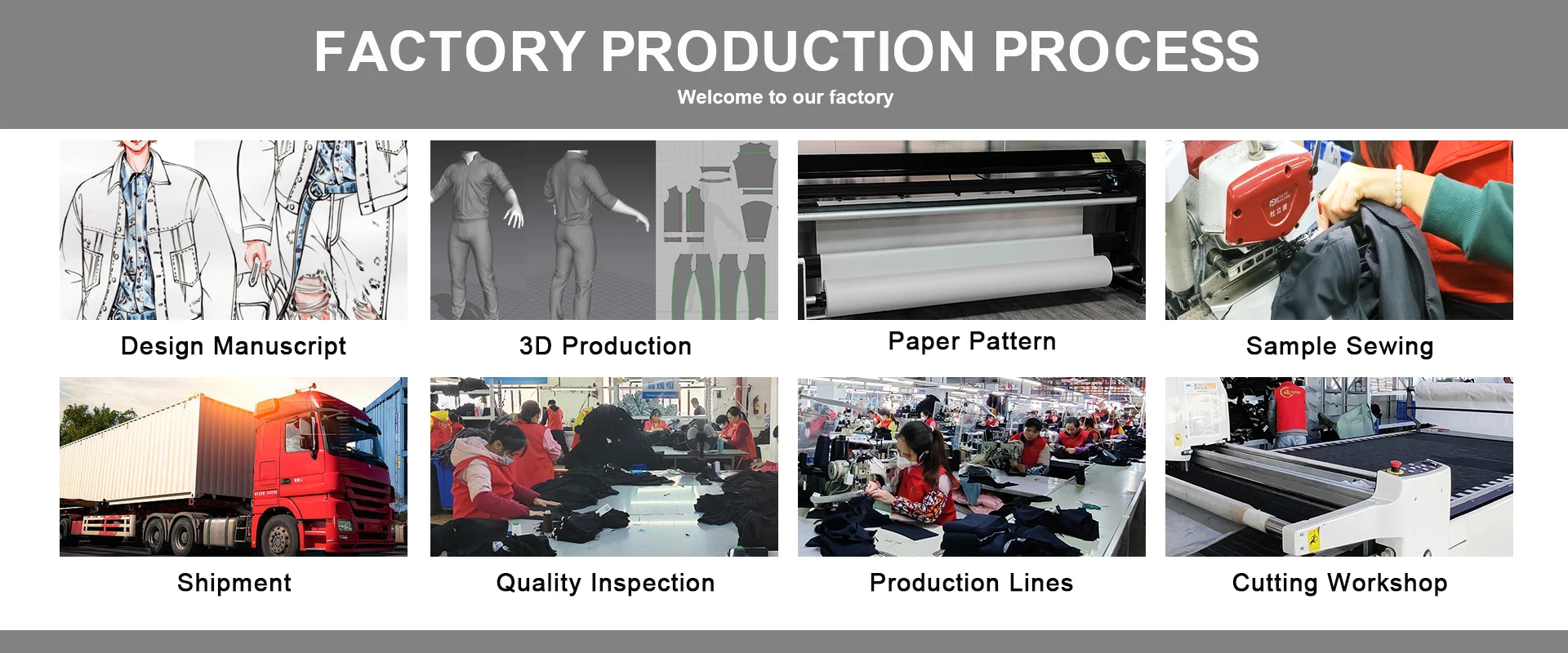
4. Bayeeclothing Pigment Dye Manufacturing Capabilities
+—————————————————————————–+
| BAYEECLOTHING PIGMENT DYE MANUFACTURING SPECIFICATIONS |
+—————————————————————————–+
| Minimum Order Quantity (MOQ) | 30 pieces per style/colorway (Mixed S-5XL) |
| Proto-Sampling Turnaround | 3–5 working days (Creditable against bulk) |
| Bulk Production Turnaround | 15–25 working days |
| Available Specialty Washes | Cold Pigment Dye, Oil Wash, Stone Pigment, |
| | Sun-Faded Wash, Dirty Wash, Ozone Fade |
| Post-Dye Embellishments | High-density screen print, puff printing, |
| | tone-on-tone embroidery, distress fraying |
| Factory Facility | 3,000 m2 plant in Dongguan, 7 lines, 3 QC |
+—————————————————————————–+

Frequently Asked Questions (FAQ) — Sourcing Pigment Dyed Apparel
1. What is the difference between pigment dyeing and regular reactive dyeing?
Pigment dyeing coats the outer surface of cotton fibers with insoluble color particles using a binder agent, creating high-contrast faded seams and a vintage chalky look after washing. Reactive dyeing chemically binds dye molecules deep inside the fiber core, resulting in a completely uniform, solid color with no seam fading.
2. Will pigment dyed garments bleed or rub off on white furniture and laundry?
Cheap pigment garments with uncured binders will rub off. Bayeeclothing eliminates heavy crocking by using advanced polyurethane-acrylic binders cured at , followed by thorough post-dye soaping washes to strip unbonded surface pigment, achieving certified Wet Crocking Grade 3.5+ and Dry Crocking Grade 4.0+.
3. What is the minimum order quantity (MOQ) for custom pigment dyed apparel at Bayeeclothing?
Bayeeclothing provides an accessible low MOQ of 30 pieces per style and colorway, with full proportional size grading across S to 5XL.
4. What causes white stitching lines on cheap pigment-dyed garments, and how is it avoided?
White stitching lines occur when factories use synthetic polyester sewing thread, which does not absorb pigment dye. Bayeeclothing exclusively sews all pigment-dyed garments with 100% long-staple combed cotton thread, ensuring seams dye perfectly in sync with the body fabric.
5. What fabric composition is required for cold pigment dyeing?
100% combed cotton, heavy French terry, and cotton-bamboo knits yield the best pigment dye results. Pure synthetic fabrics cannot be pigment-dyed because binders adhere poorly to smooth polyester fibers.
6. Can custom Pantone color codes be matched in pigment dyeing?
Yes. Our color technicians blend specialized pigment pastes to match your exact Pantone PMS references, delivering earthy pastels, washed charcoals, vintage olives, and faded terracotta tones.
7. What graphics and printing techniques work best on pigment-dyed apparel?
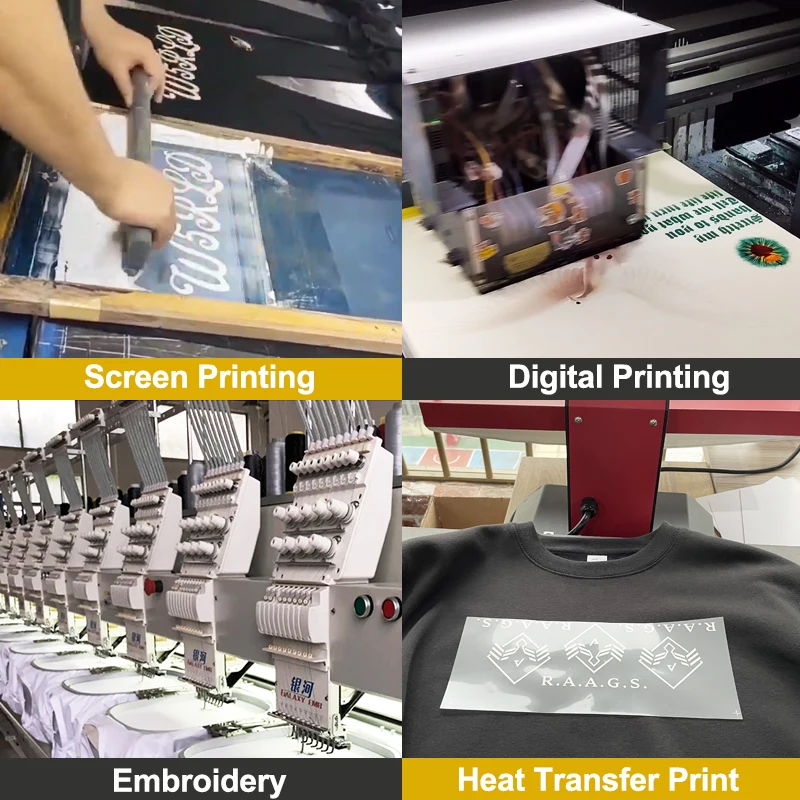
We specialize in post-dye embellishments, including crackle-ink screen printing, high-density 3D puff print with high-opacity underbase, and direct-to-garment (DTG).
8. How long does it take Bayeeclothing to produce custom pigment-dyed proto-samples?
Custom pigment-dyed proto-samples (including pattern cutting, garment dyeing, baking cure, wash softening, and custom labels) are produced and dispatched in 3 to 5 business days. Bulk production takes approximately 15 to 25 business days. Sample fees are fully credited toward bulk production.
9. Does pigment dyeing cause the fabric to feel stiff or scratchy?
No. While unwashed pigment garments can feel rigid, Bayeeclothing applies a post-dye tumble enzyme wash and cationic silicone softening bath, leaving the finished garment exceptionally soft with a velvety broken-in hand feel.
10. What private labeling and packaging options are provided?
We provide full OEM/ODM branding, including vintage-dyed cotton woven neck labels, distressed kraft cardstock hangtags with safety pins, barcode stickers, and recyclable frosted EVA zip-lock polybags.
Post time: Oct-21-2026


