The Sustainable Color Paradox: Why Traditional Botanical Dyeing Fails Commercial Retail Standards
As global streetwear and luxury fashion consumers demand authentic eco-friendly alternatives to toxic synthetic petrochemical dyes, Natural Botanical Garment Dyeing has surged to the forefront of sustainable brand development. Sourced from roots, barks, leaves, flowers, and agricultural residues, plant dyes provide earthy, harmonious pastel undertones that synthetic dyes cannot replicate.
However, fashion brands attempting commercial botanical dyeing frequently encounter four catastrophic manufacturing roadblocks:
Severe Wash Fading & Bleeding
1. : Unmordanted natural dyes wash out rapidly, fading by over after 2 to 3 home wash cycles.Extreme Sunlight & UV Discoloration
2. : Natural plant chromophores are susceptible to photodegradation when exposed to direct sunlight, dropping to Grade 2.0 lightfastness.Batch-to-Batch Color Inconsistency
3. : Natural crop yields vary in pigment density, resulting in unacceptable shade differences and blotchy surface mottling.Toxic Heavy Metal Mordants
4. : Traditional artisan dye houses rely on toxic chrome, copper, or lead salts to fix natural dyes, violating international chemical compliance standards.
To solve these commercial barriers, Bayeeclothing engineers Clean Industrial Botanical Dyeing. By combining certified agricultural plant extracts, non-toxic bio-mineral mordants, automated low-liquor ratio rotary dyeing, and bio-enzyme surface pre-treatments, we deliver certified GOTS-compliant eco-garments with commercial Grade 4.0+ wash and rub fastness and an accessible 30-piece MOQ.
1. Technical Architecture: Artisan Plant Dyeing vs. Bayeeclothing Clean Botanical Dyeing
+—————————————————————————–+
| BOTANICAL DYEING SPECIFICATION & PERFORMANCE COMPARISON |
+—————————————————————————–+
| Feature / Parameter | Traditional Artisan Plant Dyeing | Bayeeclothing Clean Industrial Botanical|
+———————–+————————————-+—————————————+
| Raw Pigment Source | Raw chopped leaves/roots (Impure) | Standardized spray-dried plant extracts|
| Extraction Method | Open-pot boiling (Inconsistent) | Ultrasonic low-temp bio-extraction |
| Mordant Chemistry | Toxic metal salts (Copper/Alum/Lead)| Non-toxic food-grade bio-minerals & |
| | (Fails REACH / CPSIA standards) | bio-tannins (OEKO-TEX / GOTS compliant)|
| Wash Fastness (40°C) | Grade 2.0–2.5 (Rapid wash-out) | Grade 4.0+ (ISO 105-C06 standard) |
| Light Fastness (UV) | Grade 2.0 (Fades under sunlight) | Grade 3.5–4.0 (Anti-UV natural fixes) |
| Batch Shade Tolerance | Extreme variance (ΔE > 3.0) | Computerized recipe control (ΔE ≤ 1.2)|
| Fabric Compatibility | Only raw unbleached natural fibers | 100% Organic Cotton, Heavy Fleece, |
| | (Frequent blotches & streaking) | French Terry, Linen, Bamboo, Tencel |
+—————————————————————————–+
[ 100% ORGANIC COMBED COTTON COLLAR ]
/ \
[CLEAN RAGLAN SLEEVE] / \ [CLEAN RAGLAN SLEEVE]
+ +
| BOTANICAL DYE | <– Natural Plant Pigment Extracts
| BIO-MORDANT | <– Non-Toxic Metal-Free Fixation
| 400 GSM TERRY | <– Rich Earthy Tonal Nuance
| GRADE 4.0 FAST | <– Certified Wash & Rub Fastness
\________________/
[ ELASTIC 2x2 RIB HEM ] <– Retains Elasticity & Recovery

2. Four Engineering Pillars of Bayeeclothing Botanical Dyeing
1. Standardized Botanical Pigment Extraction Library
Unlike crude boiled leaves that contain unpredictable sugars and debris, our dyeing facility uses standardized, micro-filtered and spray-dried botanical extracts:
Indigofera Leaves
- ● : Rich, deep ocean blues and vintage indigo tones.
Rubia Cordifolia / Madder Root
- ● : Warm terracotta, muted rose, and rustic brick reds.
Punica Granatum / Pomegranate Rind
- ● : Earthy khaki, olive green, and warm golden ochre.
Quercus / Acorn Shell & Tea Tannins
- ● : Cool stone grey, vintage charcoal, and washed taupe.
2. Non-Toxic Bio-Mineral & Bio-Tannin Mordant Fixation
To eliminate heavy metals while locking plant pigments into cellulose chains, we utilize food-grade aluminum potassium sulfate, plant polyphenols, and chitosan bio-polymers. These bio-mordants form covalent coordinate bonds with the cotton hydroxyl groups, increasing wash fastness from Grade 2.0 to Grade 4.0+ (ISO 105-C06).
3. Low-Liquor Ratio Rotary Garment Dyeing
Garments are dyed in Italian computerized low-liquor ratio () rotary dyeing drums. Continuous mechanical tumbling ensures uniform dye penetration deep into interior loops, seams, and drawcords, eliminating blotchy streaks while reducing water consumption by compared to standard industrial baths.
4. Pre-Shrunk & Enzyme Bio-Polished Surface Prep
Before dyeing, pure organic cotton garments undergo bio-polishing with neutral cellulase enzymes. By shearing away microscopic fuzzy fibers before pigment application, colors achieve radiant clarity and resistance to surface pilling.
3. Recommended Customization & Streetwear Styles for Botanical Dyeing
Botanical Washed Heavyweight Hoodies (400–500 GSM)
- ● : Organic French terry hoodies dyed with pomegranate and madder root for lived-in earth tones.
Sun-Bleached Organic Boxy Tees (220–260 GSM)
- ● : Oversized vintage-cut tees with soft mineral botanical washes and tonal embroidered logos.
Botanical Loungewear Sets (350 GSM)
- ● : Matching sweatpants and crewnecks dyed with tea polyphenols and natural indigo.
4. Bayeeclothing Botanical Dyeing Production Specifications
+—————————————————————————–+
| BAYEECLOTHING BOTANICAL DYEING MANUFACTURING MATRIX |
+—————————————————————————–+
| Minimum Order Quantity (MOQ) | 30 pieces per style/colorway (Mixed S-5XL) |
| Available Sizing | S to 5XL (Custom modern boxy & streetwear) |
| Proto-Sampling Turnaround | 3–5 working days (Creditable against bulk) |
| Bulk Production Turnaround | 15–20 working days |
| Supported Substrates | 100% Organic Cotton, Linen, Tencel, Bamboo |
| Colorfastness Performance | Grade 4.0+ Wash / Grade 4.0 Rub (ISO 105) |
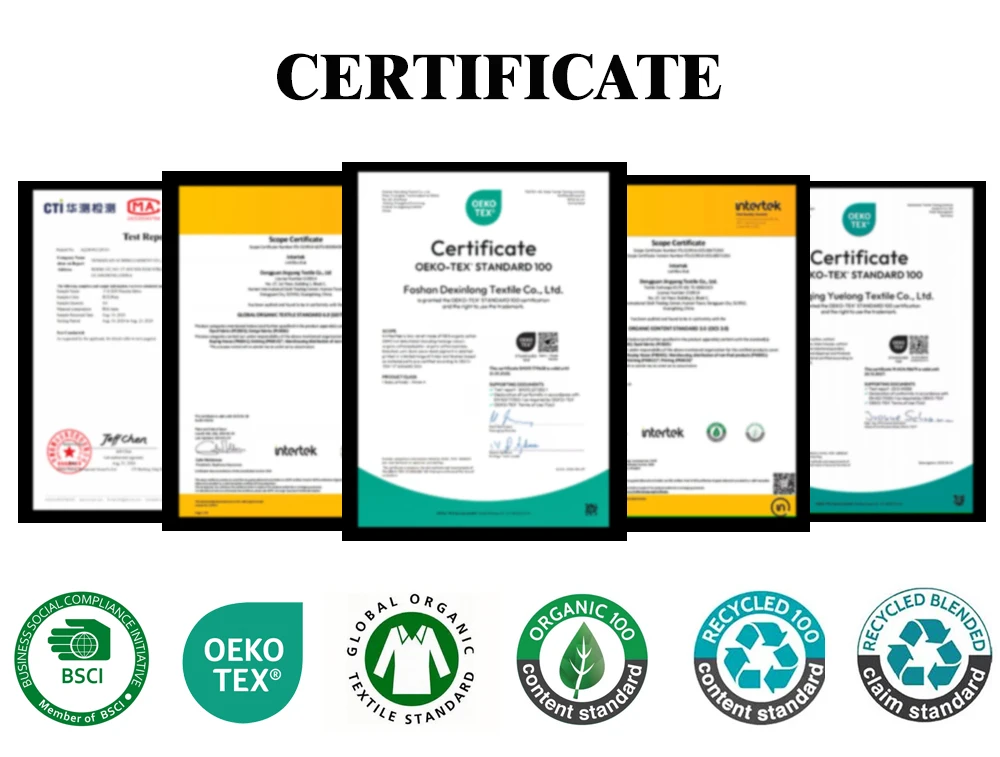
| Compliance Standards | GOTS & OEKO-TEX Standard 100 Compliant |
| Facility Infrastructure | 3,000 m2 plant in Dongguan, 7 lines, 3 QC |
+—————————————————————————–+
Frequently Asked Questions (FAQ) — Sourcing Botanical Dyed Apparel
1. What is natural botanical garment dyeing?
Botanical garment dyeing is an eco-friendly coloration method using extracts derived from plants, roots, fruits, bark, and tea leaves to dye completed garments, creating unique, harmonious earth-tone colorways with zero toxic petrochemical dyes.
2. How does Bayeeclothing solve the fading and wash-out issues of natural plant dyes?
We utilize standardized spray-dried plant extracts paired with non-toxic bio-mineral mordants and tannin cross-linkers, binding natural chromophores to cotton fibers and achieving Grade 4.0+ commercial wash fastness (ISO 105-C06).
3. What natural plant colors can Bayeeclothing produce?
We produce a wide palette of natural shades: Indigo Blues (Indigo leaves), Terracotta & Muted Rose (Madder root), Olive & Khaki Ochre (Pomegranate rind), Vintage Charcoal & Stone Grey (Tea tannins and acorn shells), and Sage Green (Chlorophyll-spinach blends).
4. What is the minimum order quantity (MOQ) for custom botanical dyed apparel?
Our minimum order quantity is 30 pieces per style and colorway, enabling sustainable fashion startups and established brands to introduce eco-capsules without large inventory risks.
5. Are your botanical dyes non-toxic and skin-safe for sensitive skin?
Yes. Our botanical dyeing processes use zero heavy metals, zero formaldehyde, and zero harsh petrochemicals, fully complying with OEKO-TEX® Standard 100 and GOTS guidelines, making them naturally hypoallergenic and safe for sensitive skin.
6. What fabrics work best with natural plant dyeing?
Botanical dyes bind best with natural cellulosic and protein fibers: 100% Organic Combed Cotton (fleece, French terry, single jersey), Normandy Linen, Tencel™ Lyocell, and Bamboo Rayon.
7. What is the sampling and bulk production timeline for botanical dyed apparel?
Proto-samples (including customized lab-dip development and garment dyeing) are delivered in 3 to 5 business days. Bulk production takes 15 to 20 business days. Proto-sample fees are fully credited toward bulk production invoices.
8. Will there be slight color variations between individual garments in botanical dyeing?
Natural plant dyeing produces subtle organic tonal depth and gentle variations along seams, which is the prized aesthetic signature of authentic natural dyeing. However, our computerized spectrophotometers keep batch-to-batch variation within strict tolerances.
9. What branding and embellishment methods pair well with botanical dyed clothing?
We recommend tonal organic cotton embroidery, water-based non-toxic screen printing, and natural unbleached cotton twill neck labels.
10. How should end-consumers care for botanical dyed clothing?
Consumers should machine wash garments inside out on a gentle cold cycle () with pH-neutral eco detergent, and line dry in the shade to maintain vibrant color depth over years of wear.
Post time: Oct-30-2026


