A transparent cost breakdown for emerging streetwear brands comparing fixed setup fees, pattern grading, print plates, and bulk scale
For emerging streetwear brands and independent designers, low minimum order quantities (MOQs) are the gateway to market validation. Being able to order 30 pieces per style allows a brand to launch capsule drops, test niche silhouettes, and protect cash flow without risking dead inventory.
However, a universal surprise for first-time apparel buyers is the per-unit price difference between a 30-piece pilot run and a 500-piece commercial production order. When a factory quotes $28 per piece for 30 units and $14 per piece for 500 units of the same 400 GSM custom fleece hoodie, buyers often ask: what specific cost components drive this price gap, and is small-batch manufacturing worth the premium?
The short answer is fixed amortized setup costs. In cut-and-sew manufacturing, every style requires fixed preparatory operations—CAD pattern digitizing, multi-size grading, silk-screen exposure plates, embroidery digitizing files, and cutting-table calibration. On an order of 30 pieces, these fixed setup fees are distributed across only 30 units; on an order of 500 pieces, they dilute to fractions of a dollar per garment.
Bayeeclothing manufactures custom menswear from 30 pieces per design, delivering 3–5 day sample turnaround and full transparency on setup fees, in-stock fabric access, and tiered volume discounts. This guide breaks down the true economics of small-batch production.
1. Unit economics breakdown: 30 vs 100 vs 500 vs 2,000 pieces
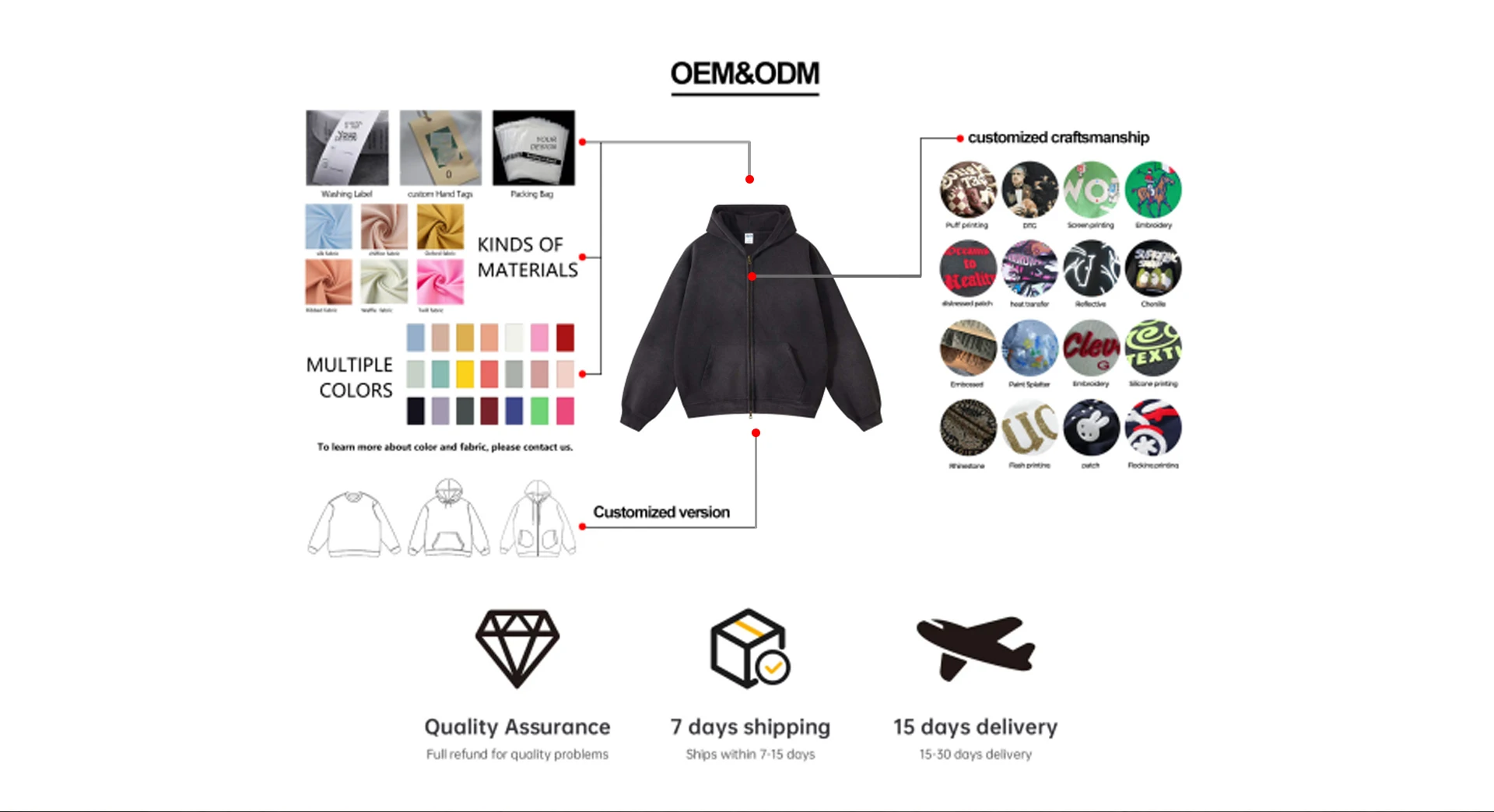
To illustrate how scale impacts manufacturing cost, consider a benchmark 400 GSM 100% Combed Cotton Oversized Hoodie featuring a multi-colour chest screen print, S–2XL size grading, custom woven neck label, and individual polybag packaging.
| Cost Component | 30-Piece Batch (Per Unit) | 100-Piece Batch (Per Unit) | 500-Piece Batch (Per Unit) | 2,000-Piece Batch (Per Unit) |
| CAD Pattern & Size Grading | High ($2.50–$3.50 / pc) | Moderate ($0.80–$1.20 / pc) | Low ($0.15–$0.25 / pc) | Negligible (< $0.05 / pc) |
| Print Screen Plates & Setup | High ($3.00–$4.50 / pc) | Moderate ($1.00–$1.50 / pc) | Low ($0.20–$0.30 / pc) | Negligible (< $0.08 / pc) |
| Fabric Sourcing & Cutting | In-stock mill price ($11.00) | In-stock mill price ($10.50) | Custom dye-lot rate ($9.20) | Bulk mill direct ($8.00) |
| Sewing & Assembly Labor | Manual single-line setup ($6.50) | Semi-batch flow ($5.20) | Continuous line flow ($4.00) | High-speed dedicated line ($3.20) |
| Labels, Trims & Packaging | Small-run print tag ($1.80) | Stock woven label ($1.00) | Custom woven label ($0.45) | Bulk woven label ($0.20) |
| QC & Packaging | 100% individual piece check ($1.50) | 100% check ($1.20) | AQL 2.5 inline check ($0.80) | AQL 2.5 inline check ($0.55) |
| Typical Ex-Factory Unit Cost | ~$27.80 – $31.50 | ~$19.50 – $21.00 | ~$14.80 – $16.00 | ~$12.00 – $13.00 |
| Target Streetwear Retail Price | $95.00 – $135.00 | $85.00 – $120.00 | $75.00 – $110.00 | $65.00 – $95.00 |
| Gross Retail Margin | 68% – 77% | 75% – 82% | 80% – 86% | 81% – 87% |
Note: The table above illustrates typical industrial cost structures for heavy streetwear hoodies. Actual quotations vary depending on specific design complexity, wash treatments, and accessory trims.
2. The 5 fixed costs behind the small-batch price structure
Factor 1: Pattern Digitizing and Size Grading (S to 5XL)
Before fabric is cut, our pattern engineers translate your tech pack into computerized CAD patterns and grade proportions across sizes. This technical labor takes 2 to 4 hours whether the factory cuts 30 pieces or 3,000 pieces.
Factor 2: Screen Exposure Plates and Embroidery Digitizing
For a 4-colour chest graphic, a printer must produce 4 separate mesh screens, apply photo emulsion, expose films under UV light, and mix custom Pantone plastisol inks. Amortizing 4.00 per unit**; across 500 pieces, it adds only $0.24 per unit.
Factor 3: Fabric Minimums: In-Stock Inventory vs Custom Dye Lots
Custom fabric mills require minimums of 300 to 500 kg per colour to run custom dyeing vats. For a 30-piece order (~25 kg of fabric), a factory cannot commission a custom dye vat. Instead, we pull premium 400 GSM combed cotton from our in-stock fabric library, which carries a slightly higher raw-material spot price than raw mill contracts.
Factor 4: Machine Setup and Sewing Line Changeovers
Setting up industrial four-thread overlock, flatlock, and coverstitch machines with exact thread tensions, needle gauges, and thread colours takes a production line 30 to 60 minutes. On a 30-piece run, setup time represents a higher percentage of total labor hours.
Factor 5: Fabric Cutting Marker Efficiency
Automated multi-layer cutting tables achieve maximum yield (90%+ fabric utilization) when cutting long nested markers for hundreds of units. Short 30-piece markers leave slightly more offcut scrap, marginally increasing fabric consumption per unit.
3. Why paying $28 for 30 pieces is smarter than paying $14 for 500 pieces
For an emerging brand, the fundamental metric is not Cost Per Unit, but Total Capital
Risk:
Scenario A (Bulk Blind Bet):
- ● 500 pieces × $15.00 =$7,500 inventory commitment.If the fit or graphic underperforms, the brand is left with $5,000 in unsellable stock.
Scenario B (Low-MOQ Test Drop):
- ● 30 pieces × $28.00 =$840 inventory commitment. Selling 30 hoodies at $110 generates $3,300 in revenue, delivering $2,460 in net profit
and instant customer feedback.Once demand is proven, the brand reorders 300 to 1,000 units at bulk tier pricing, capturing full volume margins on a validated design.
4. 4 practical strategies to reduce unit costs on a 30-piece order
Use In-Stock Premium Fabrics:
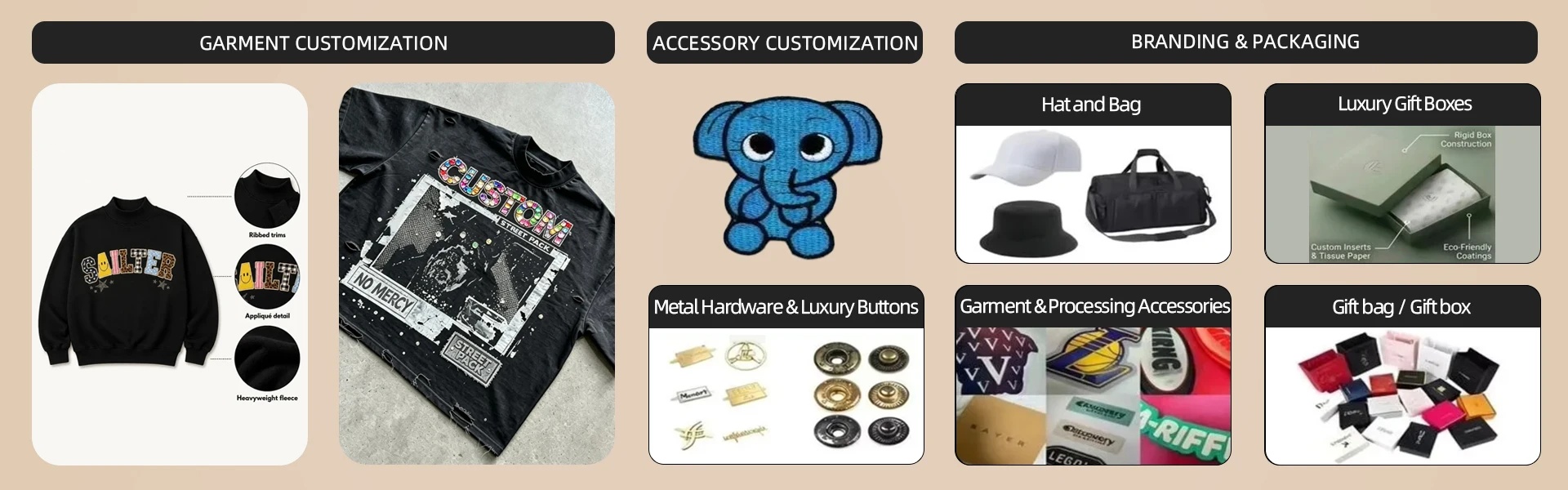
1. Choose standard core colours (Black, Off-White, Heather Grey, Vintage Navy, Forest Green) from our fabric library instead of requesting custom Pantone lab dips.
Limit Screen Print Colours:
2. A 1-colour or 2-colour graphic requires fewer screen plates, saving $60–$100 in fixed setup fees on a small batch.
Standardize Trims Across Styles:
3. Use the same branded neck tape, woven labels, and polybags across multiple styles so trims can be purchased in bulk (500–1,000 pcs) and applied across smaller 30-piece garment runs.
Consolidate Size Breakdowns:
4. Run 3 to 4 core sizes (e.g., M, L, XL, 2XL) on your first drop rather than grading across 8 sizes.
5. Small-batch manufacturing capabilities at Bayeeclothing
Bayeeclothing operates a flexible hybrid manufacturing model designed to support emerging labels alongside high-volume commercial programs:
True 30-Piece MOQ:
- ● Custom cut-and-sew manufacturing from30 pieces per style, including custom sizing, stitching, and branding.Rapid 3–5 Day Sampling:
- ● Dedicated sample development department with 7 senior pattern designers (20+ years of experience) to perfect fit before bulk cutting.
In-Stock Premium Materials:
- ● Instant access to 180–320 GSM single jersey, 280–500 GSM French terry/brushed fleece, 100% combed cotton, CVC blends, and GRS-certified recycled fabrics.
Full In-House Techniques:
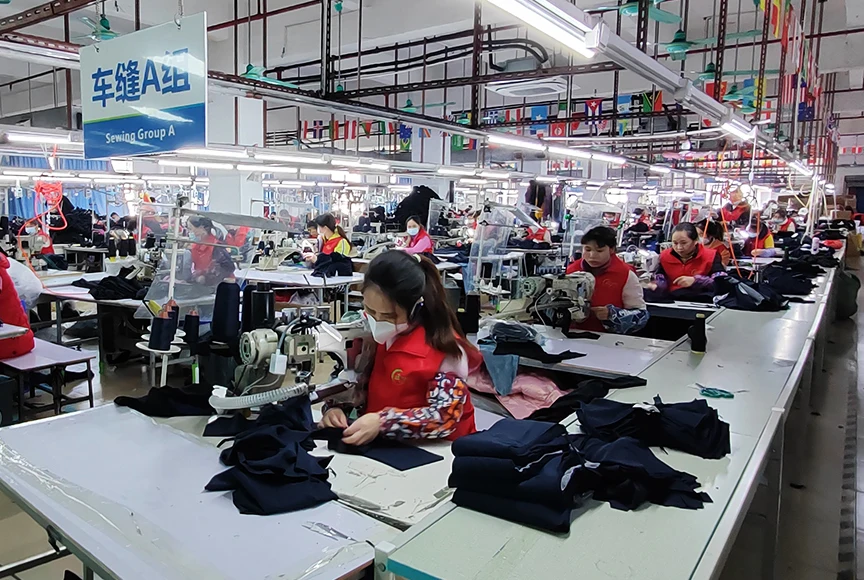
- ● Screen printing, high-density puff print, 3D embroidery, towel embroidery, rhinestone application, acid wash, and stonewashing across 7 production lines and 3 QC inspection lines (monthly capacity 60,000+ pieces).
FAQ: Small batch apparel manufacturing costs
1. Why is a 30-piece custom hoodie order more expensive per piece than a 500-piece order?
A 30-piece order carries the exact same fixed setup costs as a 500-piece order—CAD pattern grading, print screen plate preparation, machine calibration, and cutting table setup. On a small order, these fixed costs are divided across only 30 units rather than hundreds of units.
2. What is the typical unit price for a 30-piece custom hoodie order?
For a high-end 400 GSM 100% combed cotton hoodie with custom screen printing and branded labels, ex-factory costs typically range from $24.00 to $32.00 per piece, depending on print complexity, pocket construction, and wash treatments.
3. Can I still achieve profitable retail margins with a 30-piece order?
Yes. Most streetwear brands retail heavyweight hoodies between $95.00 and $140.00. At an ex-factory cost of $28.00, gross profit margin is 70% to 80%, while limiting total inventory risk to under $900.
4. At what order volume do garment unit prices drop significantly?
Unit prices drop noticeably at 100 pieces (when fixed plate and pattern costs dilute), with a second major price reduction at 300 to 500 pieces, where the factory can purchase direct mill dye lots and run dedicated automated sewing lines.
5. Can I split a 30-piece MOQ across multiple sizes?
Yes. At Bayeeclothing, a 30-piece order can be split across standard sizing (e.g., S, M, L, XL, 2XL), graded to your custom measurement specifications.
6. Can I split 30 pieces across different colours?
Because sewing thread and print screen setups are colour-specific, 30 pieces is typically the minimum per colourway. However, you can use the same pattern and artwork to run multiple 30-piece colourways in a single development cycle.
7. Does a small 30-piece order receive the same quality control as a 1,000-piece order?
Yes. At Bayeeclothing, all garments pass through our 3 dedicated QC inspection lines, undergoing 100% individual piece-by-piece inspection for dimensions, seam strength, print durability, and loose thread trimming before polybag packaging.
8. How can an emerging brand reduce the cost of a 30-piece drop?
You can lower costs by choosing in-stock fabric colours, reducing the number of screen print ink colours, using standard neck ribbing, and standardizing branded labels across collections.
9. How long does it take to produce a 30-piece order at Bayeeclothing?
Proto-sampling takes 3–5 days. Once the sample is approved, bulk cutting, printing, sewing, and QC for a 30-piece order is typically completed within 12 to 18 working days.
10. Does Bayeeclothing offer volume discounts on reorders?
Yes. Once your pilot 30-piece drop validates consumer demand, subsequent reorders of 100, 300, or 500+ units immediately qualify for our scaled commercial tier pricing.
Buyer checklist: Evaluating small batch quotations—Before approving a small-batch manufacturing quote, verify these 8 cost factors:
1. Fixed setup fees itemized (Screen plates, embroidery digitizing, and pattern fees clearly stated).
2. Fabric source confirmed (In-stock fabric spec, GSM tolerance, and composition defined).
3. Size breakdown agreement (Confirmed size split without extra per-size surcharges).
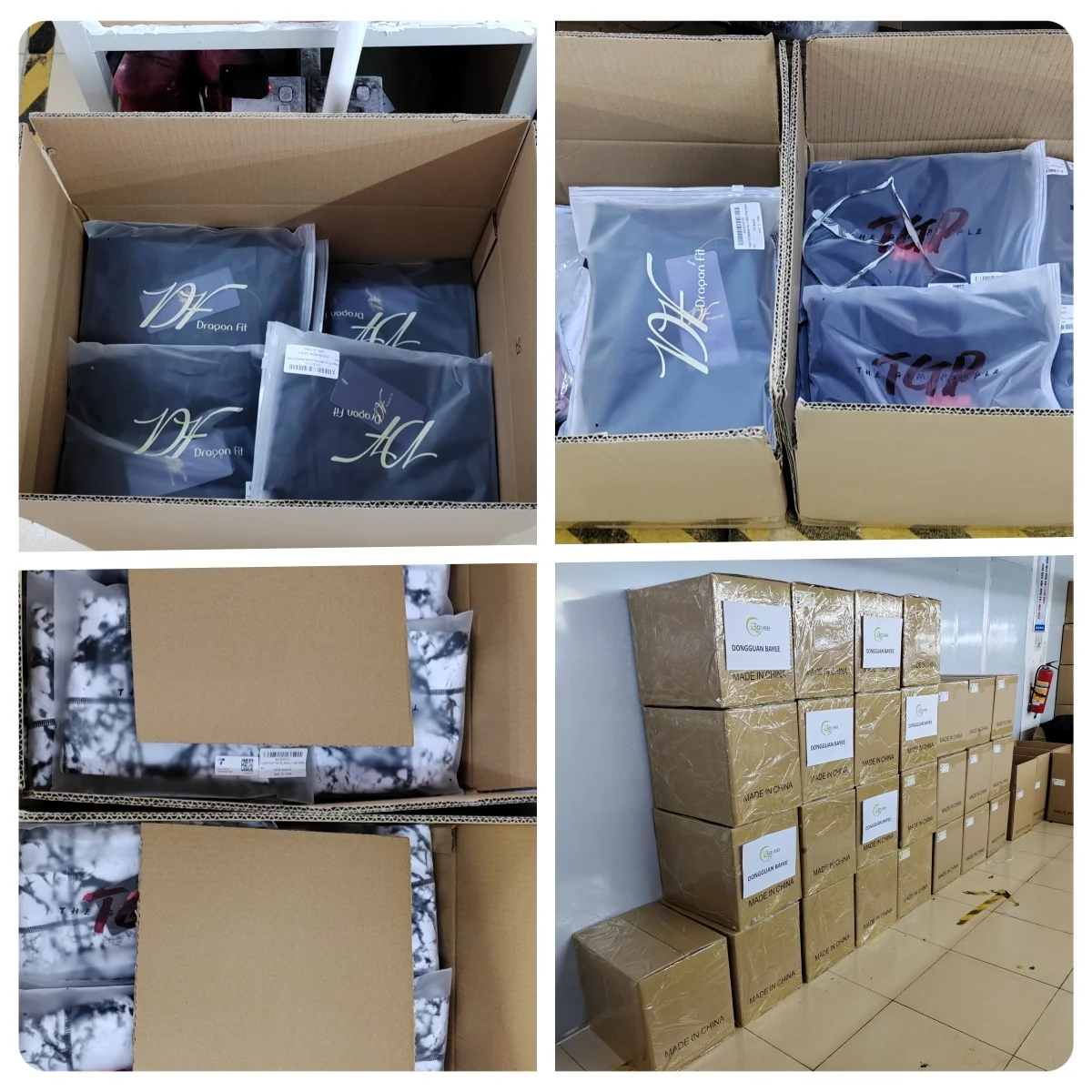
4. Label and trim inclusion (Neck tags, wash care labels, and polybags included in unit price).
5. Defect tolerance & QC standard (100% inspection guarantee on small runs).
6. Sample fee deduction policy (Clarified if proto-sample fee is credited against bulk production).
7. Payment terms confirmed (Standard 30% deposit, 70% before final shipment).
8. Scaled tier pricing quoted (Prices for 100, 300, and 500 piece reorders provided upfront).
Ready to launch your first small-batch streetwear drop? Send your tech pack, target quantities, and artwork to Bayeeclothing for an itemized quotation and 3–5 day sampling timeline.
Post time: Sep-29-2026


