A buyer guide to custom streetwear t-shirt fabric weights, yarn counts, collar ribbing, and retail price points
In streetwear and private-label menswear, the graphic T-shirt has evolved from an entry-level basic into a high-margin statement piece. Central to this transformation is the industry-wide shift toward heavyweight cotton jersey.
When streetwear founders and fashion sourcing managers develop custom T-shirt tech packs, the most common specification question is: what GSM actually qualifies as “heavyweight,” and how does fabric weight change the garment’s fit, durability, and printing performance?
While conventional mass-market T-shirts sit between 150 and 180 GSM, contemporary streetwear brands benchmark their collections between 220 and 260 GSM (heavyweight) or push into 280 to 320+ GSM (ultra-heavy luxury jersey).
However, fabric weight alone does not guarantee a premium T-shirt. A 280 GSM shirt made with coarse open-end yarn can feel scratchy and stiff, while a poorly engineered collar will stretch and ripple after two washes. Creating a true luxury streetwear tee requires balancing GSM with yarn count, combed cotton spinning, collar rib construction, and pre-shrunk finishing.
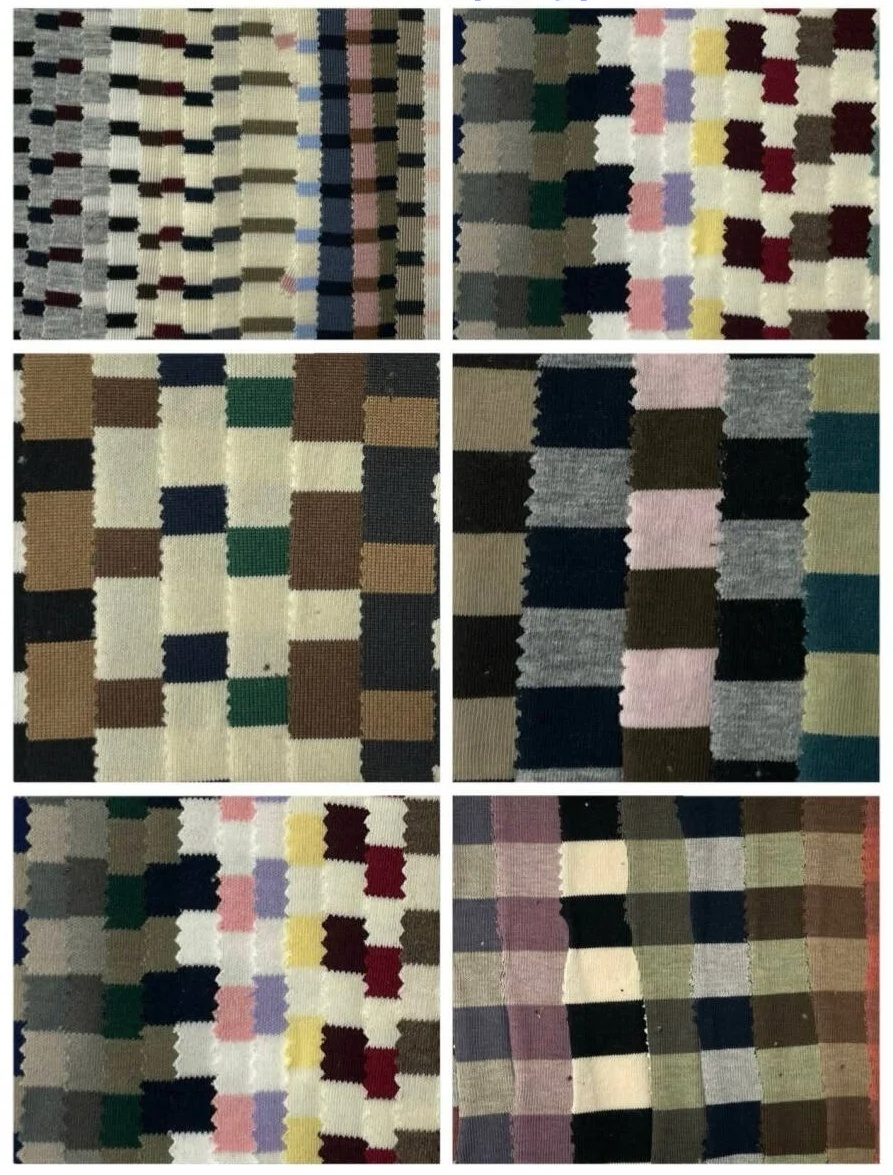
Bayeeclothing manufactures custom heavyweight T-shirts across the 180 to 320+ GSM range, starting from 30 pieces per design with rapid 3–5 day sample turnaround. This guide outlines the exact GSM boundaries, yarn choices, and construction details buyers should specify before placing an order.
1. The T-shirt GSM scale: standard, heavyweight, and ultra-heavyweight
| Category | GSM Range | Typical Yarn Count | Silhouette & Drape | Best Used For |
| Standard / Lightweight | 150 – 180 GSM | 32s / 40s Single Jersey | Fluid, body-skimming, high breathability | Summer basics, activewear layering, promotional drops |
| Mid-Heavy / Contemporary | 200 – 240 GSM | 21s / 24s Combed Cotton | Balanced structure, soft drape, zero transparency | Core streetwear collections, everyday retail tees (75) |
| Heavyweight Streetwear Benchmark | 240 – 280 GSM | 16s / 21s Combed Cotton | Boxy, structured, clean drop-shoulder silhouette | Premium graphic tees, vintage wash drops (110) |
| Ultra-Heavyweight Luxury | 280 – 320+ GSM | 12s / 16s Ring-Spun Cotton | Rigid architectural drape, standalone outerwear feel | Luxury capsule releases, oversized boxy tees (180+) |
2. Why 240+ GSM defines the modern boxy streetwear silhouette
In contemporary menswear, the “boxy, oversized fit” is not created by sizing up a regular pattern; it is created by fabric rigidity.
Shoulder & Sleeve Architecture:
1. Lightweight 160 GSM jerseys cling to the body and collapse at the shoulder seam. A 240–280 GSM heavy jersey holds its dropped shoulder line horizontally, creating the crisp, squared-off torso profile characteristic of luxury streetwear.
Zero Transparency:
2. White and light-coloured T-shirts under 190 GSM often suffer from translucency. Heavyweight 240+ GSM jersey is 100% opaque under direct sunlight.
Flatter Chest Panels for Graphics:
3. Heavy jersey provides a firm, unyielding base that supports large-format screen prints, thick puff prints, and direct-to-garment (DTG) artwork without fabric warping or seam pulling.
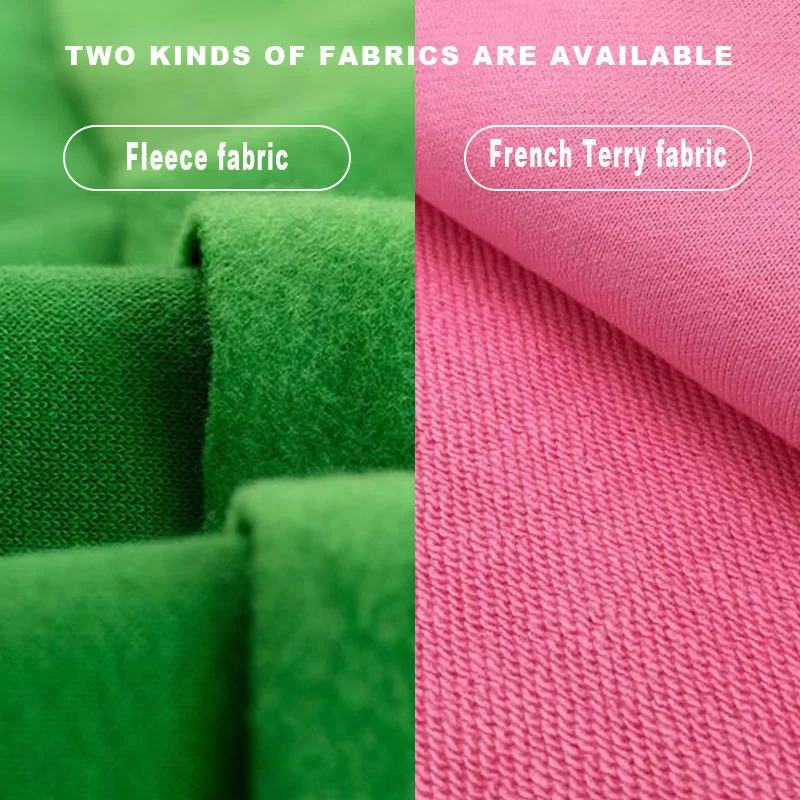
3. Beyond GSM: The three factors that decide heavyweight quality
A common buyer mistake is specifying only “280 GSM cotton” without defining yarn quality or collar construction.
Factor 1: Yarn Count & Spinning Method (16s vs 21s vs 32s) Yarn Count (denoted as ‘s’):
●Refers to the thickness of individual cotton threads. Lower numbers indicate thicker yarn (e.g., 16s is thicker and heavier than 32s).
Combed Ring-Spun vs Open-End:
●Open-end yarn produces a dry, vintage, slightly rough hand-feel. Combed ring-spun cotton removes short fibres and impurities, delivering a clean, soft, lint-free surface that takes fine-line printing crisply.
Factor 2: Collar Ribbing and the “Bacon Collar” Prevention
The collar is where low-quality heavyweight shirts fail first. A heavy 260 GSM body panel attached to a flimsy 1×1 rib collar will pull the neckline out of shape.
The Solution:
●Pair heavyweight jersey bodies with
heavy 1×1 or 2×2 cotton ribbing containing 3–5% spandex/elastane,reinforced with twin-needle topstitching and internal neck tape from shoulder to shoulder
Factor 3: Pre-Shrinking and Garment Washing
Heavy knits can shrink up to 6–8% if untreated. Pre-shrinking, enzyme washing, or bio-polishing during manufacturing locks residual shrinkage within commercial standards (±3%) and removes surface fuzz for sharper printing results.
4. How heavyweight jersey pairs with decoration and washing techniques
| Decoration / Wash Technique | 180 GSM Single Jersey | 240–280 GSM Heavy Jersey | 300+ GSM Ultra-Heavy Jersey |
| Puff Print (Expanded Foam) | Large graphics can cause thin fabric to curl | Excellent anchor; holds dense puff graphics flat | Maximum stability for heavy, high-rise puff prints |
| 3D & Flat Embroidery | High stitch density causes puckering around edges | Clean embroidery surface with minimal backing needed | Perfectly holds heavy chest patches and dense embroidery |
| Acid Wash & Vintage Stonewash | Risk of pinholes and seam tearing during tumbling | Ideal balance; achieves high-low vintage fade safely | Exceptional durability through intensive enzyme stone baths |
| Rhinestones & Heat Transfers | Heat press can leave visible pressure marks | Sturdy ground prevents adhesive strike-through | Excellent base for multi-element heat-applied graphics |
5. Custom heavyweight T-shirt manufacturing at Bayeeclothing
Developing a custom heavyweight T-shirt requires precise pattern grading to prevent
wide neck openings and unbalanced shoulder slopes.
At Bayeeclothing: Low-MOQ Production:
●We support custom heavyweight T-shirt manufacturing starting from 30 pieces per style,making small-batch streetwear capsules commercially accessible.
Expert Sizing & Fit:
●Sizing from S to 5XL as standard,with custom measurements graded by our in-house team of 7 senior pattern designers (each with 20+ years of experience)
Premium Fabric Library:
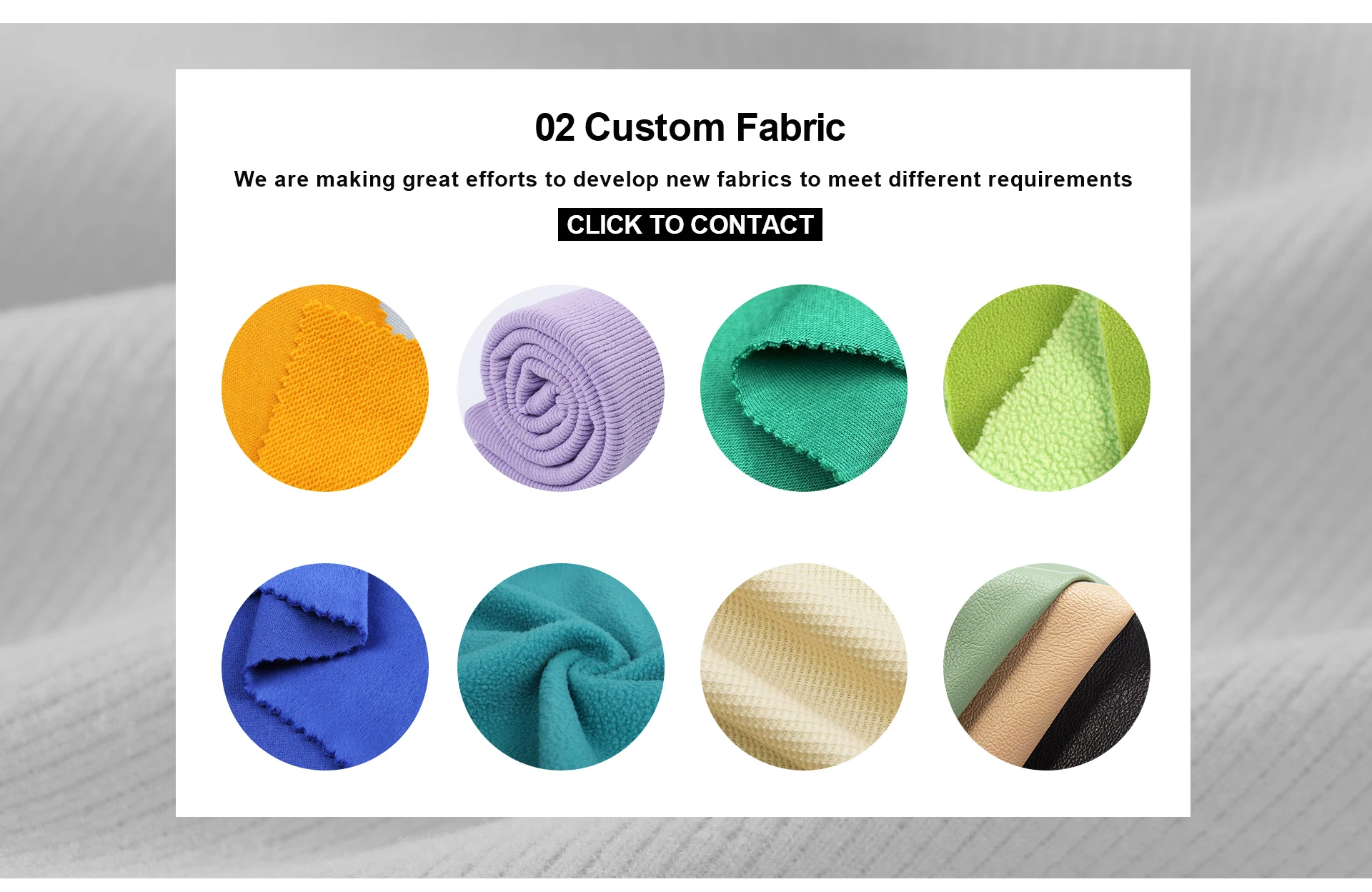
●100% combed cotton, organic cotton, CVC poly-cotton blends, and GRS-certified recycled options across 180 to 320+ GSM.
Fast Turnaround:
●Dedicated sample development in 3–5 days before moving into bulk production across our7 production lines and 3 quality-control inspection lines
(monthly capacity 60,000+ pieces).
FAQ: Heavyweight T-shirt GSM questions buyers ask most
1. What GSM is considered a heavyweight T-shirt?
In the custom menswear market, any T-shirt weighing 220 GSM or higher is considered
heavyweight. Fabrics between 240 and 280 GSM represent the standard benchmark for luxury streetwear graphic tees, while 280 to 320+ GSM is classified as ultra-heavyweight.
2. Is a 240 GSM or 280 GSM T-shirt too hot for summer wear?
A 240 GSM 100% combed cotton T-shirt remains breathable in moderate warm weather due to cotton’s natural airflow, making it suitable for air-conditioned urban environments and spring/summer streetwear drops. For high heat and humidity (above 30°C / 85°F), 180–200 GSM is more breathable.
3. What is the difference between 16s cotton and 21s cotton for T-shirts?
16s yarn is thicker, producing a heavier, more structured fabric with a substantial vintage hand-feel (common in 240–280 GSM tees). 21s and 32s yarns are finer, resulting in a smoother, softer surface ideal for high-detail printing.
4. Can I manufacture custom heavyweight T-shirts with a 30-piece MOQ?
Yes. Bayeeclothing supports custom cut-and-sew heavyweight T-shirt production starting from 30 pieces per design, allowing emerging brands to test premium fabrics without high factory minimums.
5. Why do heavyweight T-shirts hold graphics and puff print better?
Thicker jersey fabric provides structural tension that prevents the garment from pulling, rippling, or distorting under the weight of heavy plastisol inks, puff expansion foam, or dense embroidery stitching.
6. How do you prevent collar stretching on heavy T-shirts?
To prevent collar stretching (“bacon collar”), Bayeeclothing uses high-density cotton ribbing blended with 3–5% spandex, reinforced by double-needle coverstitching and continuous shoulder-to-shoulder herringbone neck taping.
7. Does a 300 GSM T-shirt shrink after washing?
All natural cotton jersey has natural shrinkage. At Bayeeclothing, fabrics undergo pre-shrinking and heat-setting treatments during production to stabilize post-wash shrinkage within international commercial tolerances (under ±3%).
8. What decoration methods can be used on heavyweight tees?
Heavyweight tees are compatible with screen printing, high-density puff print, 3D embroidery, chenille/towel embroidery, rhinestone application, patchwork, and vintage wash treatments such as acid wash and stonewashing.
9. How long does it take to sample a custom heavyweight T-shirt at Bayeeclothing?
Sample development takes 3–5 days once tech pack specifications, size breakdowns, and decoration artwork are confirmed. Sample fees are quoted based on design complexity.
10. What sizes are available for custom heavyweight T-shirts?
Bayeeclothing manufactures sizes from S to 5XL as standard, with custom grading tailored to US, European, or Asian oversized streetwear measurement specs.
Buyer checklist before approving a heavyweight T-shirt tech pack
Before confirming your custom T-shirt tech pack for sampling, verify these 8 technical specifications:
1. Target fabric weight specified (e.g., 240 GSM, 280 GSM, or 300 GSM ± 10g).
2. Yarn specification confirmed (e.g., 100% Combed Ring-Spun Cotton, 16s or 21s yarn).
3. Neck ribbing spec agreed (1×1 or 2×2 Rib with 3–5% Spandex, minimum 2.5–3.0 cm collar height for streetwear profile).
4. Neck tape specification included (Internal self-fabric or herringbone tape across shoulders).
5. Pre-shrinkage and colourfastness standard required (Pre-shrunk tolerance ±3%).
6. Fit and grading defined (Oversized, boxy drop-shoulder, or standard classic fit from S to 5XL).
7. Decoration placement, dimensions, and ink type confirmed (Plastisol, water-based, puff, or embroidery).
8. Labelling and packaging specified (Custom woven label, printed neck tag, branded polybag).
Ready to build your custom heavyweight T-shirt collection? Send your tech pack, target GSM, size breakdown, and artwork to Bayeeclothing for an exact quotation and 3–5 day sampling schedule.
Post time: Sep-24-2026


